
Opinion: Why Wick Needs a Youth Centre Revival
On a dreich Tuesday in February, the dark is down by half past four. The walk from Pulteneytown to the far side of town is long, cold, and — for a fifteen-year-old with no money in their pocket — fairly pointless. There is nothing at the end of it.
A generation ago, that Tuesday would have ended somewhere: a hall with a badminton net and a pool table, a kettle that never stopped, a tuck shop run by somebody's mum, and two adults who knew every name in the room. It wasn't glamorous. It was invaluable.
Wick needs that back. Not because the past was golden — it wasn't — but because this is a town of around 7,000 people with a long winter, a thin bus service, and almost nowhere for a teenager to be that doesn't cost money or need a lift from a parent who is still at work.
What the old clubs actually gave us
I spent more evenings than I can count in a draughty hall with a cracked floor and a radiator that clanked. What I took from it had nothing to do with the building. It was the first time I made soup for eight people and nobody died. The first time an adult who wasn't a teacher or a relative told me I was good at something. The first time I had to organise anything — a five-a-side team, a raffle, an argument between two people who both wanted the last can of juice.
That is youth work. It looks like nothing on a spreadsheet. It is, in practice, where teenagers learn to be around adults who are not grading them, and around each other without a screen between them.
Families in Wick got more than childcare out of it, though that mattered too. Parents on shifts, single parents, grandparents doing the school run twice over — a club open until nine on a Friday was the difference between a manageable week and a crisis.
The gap doesn't fill itself
When the doors close, teenagers don't stop needing somewhere to go. They find somewhere worse. The shop doorway in the rain. The harbour in the dark. The back of the car park with a bottle somebody's older cousin bought. None of that is a failure of young people. It is what happens when a town leaves a hole and expects a sixteen-year-old to fill it sensibly.
Ask any parent of a teenager in Caithness what they worry about on a Friday night and you'll hear the same word: transport. The last good bus is early. A trip to Inverness for a gig, a cinema, or a decent browse round the shops is the best part of two and a half hours each way, and it costs money nobody has spare.
Youth work budgets across the Highlands have been squeezed for years, and Wick has felt it like everywhere else. Buildings get mothballed, posts go part-time, then vacant, then vanish from the budget altogether. Nobody announces the end of youth services with a fanfare. It just quietly stops being there.
This is a practical argument, not a sentimental one
Prevention costs less than picking up the pieces
Nobody can put a neat figure on it, and anyone who claims to should be treated with suspicion. But the direction of travel is obvious. A teenager who has a trusted adult to talk to, a warm room to sit in and something to do on a Saturday is a teenager less likely to end up in the places that cost the public purse real money — the police van, the court, the hospital, the long-term support that continues into adulthood.
Employers here need exactly what youth work teaches
Decommissioning at Dounreay, the wind farms going up across the county, tourism, fishing, care work — every one of those sectors says the same thing when they hire: give us someone who turns up on time, speaks to an adult properly, works in a team and can be trusted with a task. Those are not qualifications. They are habits, and habits are learned in rooms like the one we let go.
Somewhere warm that isn't home
For a minority of young people in this town, home is not the safe option. A youth centre is often the first place a struggling teenager will actually talk — not to a counsellor, but to a youth worker who noticed they'd stopped coming and asked why.
Youth workers are not clinicians and shouldn't be asked to be. A decent centre needs a clear, written route into proper support: the school's pastoral team, the GP, and NHS 24 out of hours. If a young person is in immediate danger, that's 999. Everyone working with teenagers in Wick should know that without having to look it up.
What a revived centre must get right
A relaunch that ignores these will fold within eighteen months, and the town will be twice as cynical the next time someone suggests trying again.
- Open when it matters. Evenings, weekends and school holidays — not one Wednesday afternoon a week.
- Free at the point of use. No membership fee, no £2 entry, and food that doesn't come out of a vending machine.
- Trained, paid youth workers at the core, with volunteers alongside them rather than instead of them.
- Young people on the management group, with a real budget to spend and real decisions to make.
- Things to do badly at first. A kitchen, a workshop bench, a music room, a couple of decent computers, a space nobody has to keep tidy.
- Within walking distance of the schools, or on a bus route that runs after eight.
- Three years of funding minimum. Nothing kills a club faster than a one-year grant and a February panic.
- A named route into specialist help for mental health, money problems at home, or anything else a teenager brings through the door.
Where the money could come from
- The council budget. Ask Highland Council what is actually spent on youth work in Wick, and who decides. If the answer is vague, that is your starting point.
- Community benefit funds. There is long-standing money attached to Dounreay's decommissioning, and to the wind farms now going up across Caithness. These funds have criteria, deadlines and application forms. Read them.
- Participatory budgeting. Where the council runs Community Choices rounds, small pots of money are decided by public vote. They rarely fund a building, but they can fund a year of sessions, equipment or training.
- Community asset transfer. Under the Community Empowerment (Scotland) Act 2015, community groups can ask to take on underused council buildings. Get help from the council's development officers before you sign anything.
- Local employers. Apprenticeship sessions, matched funding, staff volunteering, and loaned equipment are all worth asking for. The worst answer is no.
- Trusts and foundations. National funders do back rural youth work. For governance, charity registration and funding applications, take advice from a development officer, the Scottish Council for Voluntary Organisations or the Office of the Scottish Charity Regulator. The rules are fiddly and getting them wrong costs more time than asking.
Start small, start this month
You don't need a business plan to begin. You need about six determined people and a Tuesday evening free.
Go to the next community council meeting and say out loud that Wick needs youth provision. Email your ward councillors and ask two specific questions: how much is spent on youth work in Wick, and where does it come from? Ask Wick High School what pupils themselves say they'd use — and then believe them, even if the answer is a games room rather than a drama group.
Find out which community benefit funds cover this town, note the deadlines, and put one person in charge of each application. Book a hall, set a date for a public meeting, and invite the council and High Life Highland along so the questions get asked in a room with witnesses.
And if you have an hour a week to give — cooking, CVs, bike repair, guitar, first aid, or simply making tea and remembering names — that hour is worth more than another strategy document.
The pool table with the ripped cloth was never the point. The adult who knew your name was. Put a decent building in the right place, staff it properly, fund it for three years, and Wick's teenagers will do the rest. They always used to.
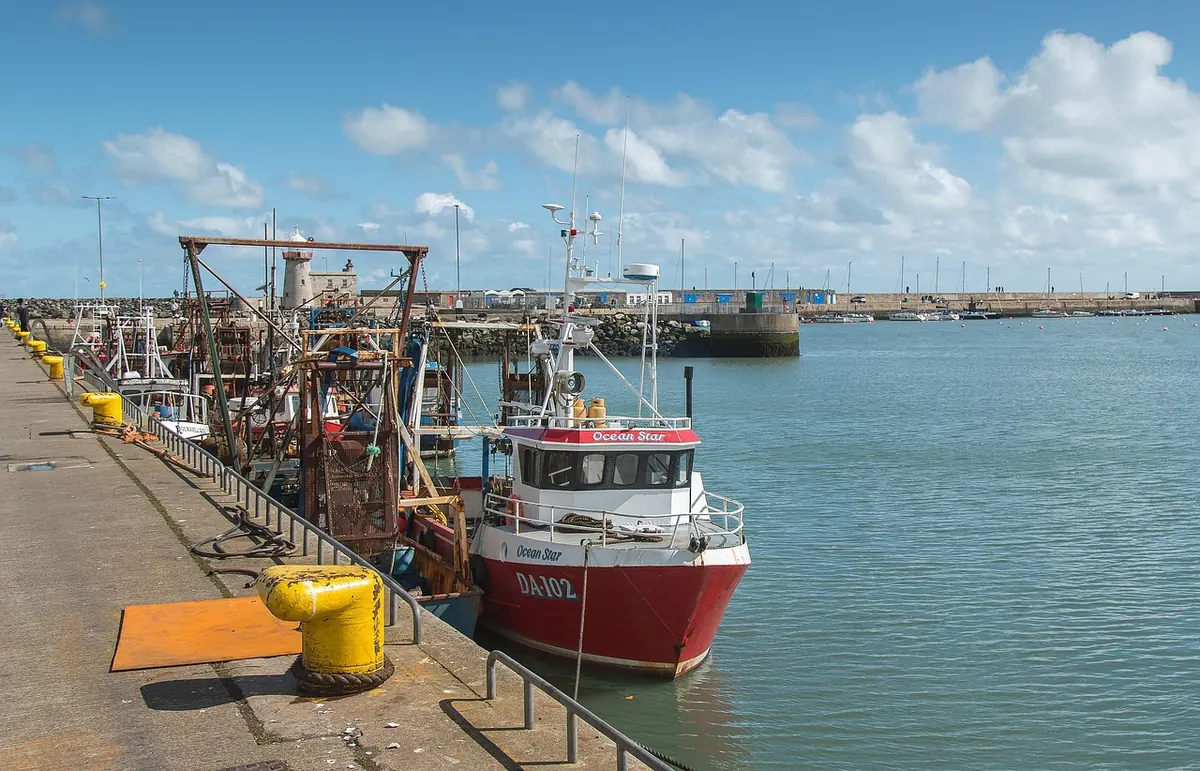
Photo: Surprising_Media / Pixabay

You Might Also Like
A practical checklist to help Wick residents get through the Caithness winter, from lagging pipes and gritting paths to emergency kits and checking on neighbours.
From Europe's busiest herring port to a base for offshore wind and visiting yachts, Wick's harbour has reinvented itself more than once. Here's the story behind the quays.