What Wick's New Recycling Collection Changes Mean for You: An Explainer
Wick's bin collections are changing, and for most households the practical effect is simple: more sorting at the kerbside, different containers, and a calendar that no longer matches what you have been doing for years.
The reasoning is easy enough to follow — less waste buried in landfill, more material actually recycled — but the details are where people get caught out. Here is what is changing, what goes where, and what to sort out before the first new collection reaches your street.
What is actually changing
Three things, broadly. First, more of what leaves your kitchen is expected to be separated before it goes out. Second, the containers change: some households will gain a bin or a caddy, and some will lose the freedom to put everything in one place. Third, the timetable shifts, with general waste usually collected less often and recycling picked up more frequently to balance that out.
Collections in Wick are run by Highland Council, so the bin calendar and the council's website are the versions to trust. Arrangements vary by street. A terraced house near the harbour may not get the same set-up as a new build on the edge of town, and flats with shared bin stores are treated differently again. Read whatever comes through your door properly. It takes five minutes and saves a fortnight of guesswork.
What goes in which container
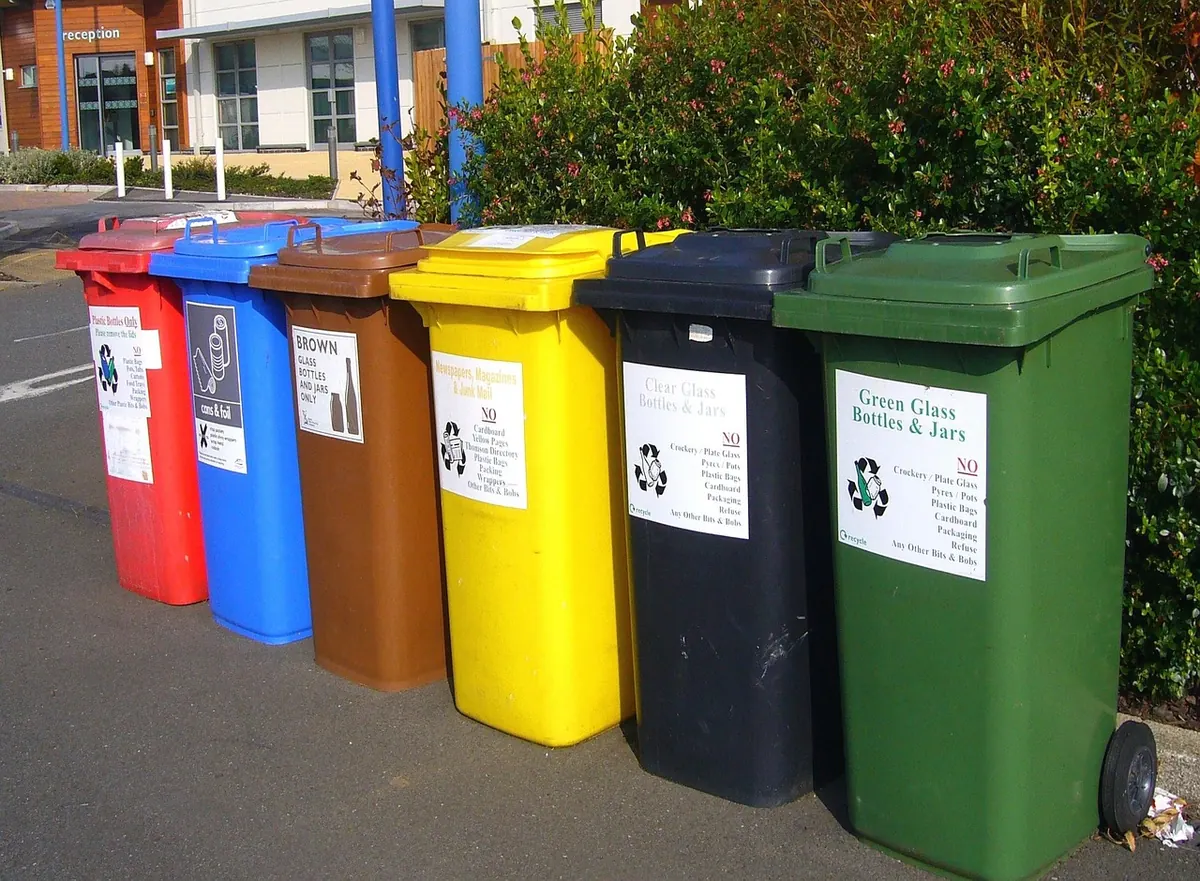
Most confusion comes down to a handful of everyday items. As a general guide:
- Dry mixed recycling: paper, flattened card, clean plastic bottles and tubs, tins, cans and cartons. Rinse anything that held food, give it a shake, and squash bottles so they take up less room.
- Glass: bottles and jars only. Rinse them and take the lids off. Drinking glasses, Pyrex dishes and window panes are not the same material and spoil the load.
- Food waste: cooked and uncooked food, plate scrapings, tea bags, coffee grounds and fruit peel. If liners are supplied, use them; if not, empty straight into the caddy and rinse it out.
- General waste: the genuine leftovers — nappies, polystyrene, crisp packets, broken crockery, pet waste and vacuum cleaner bags.
- Garden waste: grass cuttings, hedge trimmings, leaves and small branches, normally on a paid permit. Check the current fee and renewal date on the council's website, and don't leave it until the week you need it.
The one rule that matters most: nothing wet, greasy or food-stained goes into the dry recycling. A single unrinsed takeaway container can spoil an otherwise clean load, and lorries carrying contaminated recycling can be turned away entirely.
The mistakes that cause most problems
Sorting rules are not designed to catch you out, but these are the items that trip people up again and again.
- Soft plastics. Bread bags, film lids and crisp packets look recyclable and generally are not, at least not at the kerbside. They go in the general waste.
- Greasy pizza boxes. Tear off the clean lid and recycle that. The oily base goes in the bin.
- Batteries and vapes. Never in any bin. They start fires in collection vehicles and at waste plants. Take them to a supermarket collection point or the recycling centre.
- Shredded paper. It tangles machinery at sorting plants, so keep it out of the recycling unless your council specifically accepts it bagged.
- Black plastic trays. The sorting equipment struggles to identify them. Give them a miss and use the general waste.
- Textiles. Clothes, shoes and bedding belong in a charity bank or at the recycling centre, not in a kerbside bin.
Flats, closes and small kitchens
Not everyone has a back garden to line up four containers in. If space is tight, stackable caddies and a small lidded tub under the sink do the job. In a shared close, agree with neighbours who puts out what and when, and label bins with flat numbers so nothing goes astray. If you cannot physically move a bin to the kerb because of age, illness or disability, contact the council and ask about an assisted collection — it is a routine request, not an awkward one. Put bins out the night before if your collection is early, and bring them back in promptly so pavements stay clear.
Key dates and how to keep track
Dates differ from street to street, so treat anything you hear second-hand with caution. It is worth diarising:
- When your new containers are due to arrive, and what to do if they don't.
- The first collection day under the new arrangements for your address.
- Any change to your usual collection day, including one-off shifts.
- Renewal dates for garden waste permits and any assisted collection you have in place.
- Any temporary suspension over public holidays, when timetables often slip by a day or two.
Put the calendar somewhere visible, set a phone reminder for the evening before, and check the council's website or the leaflet delivered with your containers rather than relying on a neighbour's version.
What to do if something goes wrong
Missed collections happen. Report them promptly, usually within a couple of days, and keep the bin out until it is emptied. If a bin is left behind with a tag, read it. Tags normally name the item that caused the problem, and the fix is to remove it and present the bin again rather than leave it sitting out unchanged. Side waste beside a bin is generally not collected, so if you regularly have extra bags, look at what could be diverted rather than what could be squeezed in.
Before your first new collection: a short checklist
- Rinse and dry any new containers so they start clean.
- Decide where each one will live — outside, in a shed, or in a close store.
- Clear the backlog now: old batteries, paint tins and textiles are better dealt with on a planned trip than in a panic.
- Walk everyone in the house through what goes where, including visitors who helpfully "tidy up".
- Save your collection calendar on your phone and note the first new collection day.
None of this is complicated, but it is different, and the first few weeks are when mistakes get made. If you are unsure about an item, put it in the general waste rather than guess — one wrong item does more damage than one extra bag. And if your circumstances make the new system difficult, ring the council early rather than waiting until it becomes a problem.
Photo: Shirley810 / Pixabay


You Might Also Like
A practical checklist to help Wick residents get through the Caithness winter, from lagging pipes and gritting paths to emergency kits and checking on neighbours.
Wick's teenagers have nowhere to go and little to do. A properly funded youth centre would be cheaper than the alternative — and the town already has the money, the buildings and the people.